❓ 1. Are magic mushrooms (psilocybin) legal in Germany in 2026?
Short answer: No — they are still illegal.
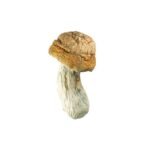
The active compounds psilocybin and psilocin are classified as controlled substances under the German Betäubungsmittelgesetz (BtMG, Narcotics Act). Possessing, acquiring, selling, importing, growing, or transporting magic mushrooms that contain these substances is prohibited.
However:
- Pure consumption alone (what happens inside your body) isn’t directly a punishable act under German law — but to consume, you must possess them first, and that is illegal.
- Some prosecution offices may exercise discretion for very small amounts for personal use, but there’s no formal legal decriminalization.
❓ 2. Can I grow or cultivate magic mushrooms legally?
No. Growing psilocybin-containing mushrooms in Germany — even for personal use — is illegal and falls under the same strict narcotics laws.
- “Grow kits” or mushroom cultivation boxes might be sold in some places, but once the fungus produces psilocybin, it instantly becomes illegal.
- Possessing spores is a gray area in Germany because spores don’t contain psilocybin yet — but as soon as they are used to grow psilocybin mushrooms, the law applies.
❓ 3. Is it legal to order magic mushrooms or truffles from abroad (e.g., Netherlands)?
No. Even though psilocybin-containing products like so-called “magic truffles” are legal in the Netherlands, once they enter Germany they fall under German narcotics laws and can be treated as illegal importation.
Customs can confiscate them and initiate legal action once they arrive in Germany.
❓ 4. What penalties could apply for illegal possession or trafficking?
Penalties depend on the amount and circumstances:
- Small amounts for personal use: could lead to fines or charges that are sometimes dropped — but there’s no guarantee.
- Larger amounts, dealing, importing into Germany, or distribution can lead to significant fines or prison terms (up to 5 years or more).
Possession of “non-negligible amounts” (roughly higher psilocybin content) can trigger harder sentencing.
❓ 5. What about medical or scientific use?
While magic mushrooms are illegal for general use in Germany, there are controlled programs and research exploring psilocybin’s therapeutic potential. For example:
- A “compassionate use” program in selected medical settings allows certain patients with treatment-resistant depression to receive psilocybin therapy under strict medical supervision.
These are not open to the general public and involve strict clinical oversight and regulatory approval.
❓ 6. What are the safety risks associated with psilocybin?
Psilocybin affects perception, mood, and cognition. Some safety considerations include:
⚠️ Psychological Risks
- Can cause intense hallucinations and altered thinking
- May lead to anxiety, panic, or distressing “bad trips”
- People with a history of psychosis or severe mental health issues may face higher risks
⚠️ Physical Safety
- No strong evidence for life-threatening toxicity, but disorientation can cause accidents
- Mixing with other substances increases unpredictability
🧠 Set & Setting
Research strongly suggests that controlled environments and trained supervision reduce risks — which is why clinical programs emphasize medical oversight.
❓ 7. What about microdosing or small amounts?
There’s no legal exception for “microdosing” in Germany. Any psilocybin-containing material — even in tiny amounts — is technically illegal to possess.
❓ 8. Are there legal alternatives or legal psychoactive mushrooms?
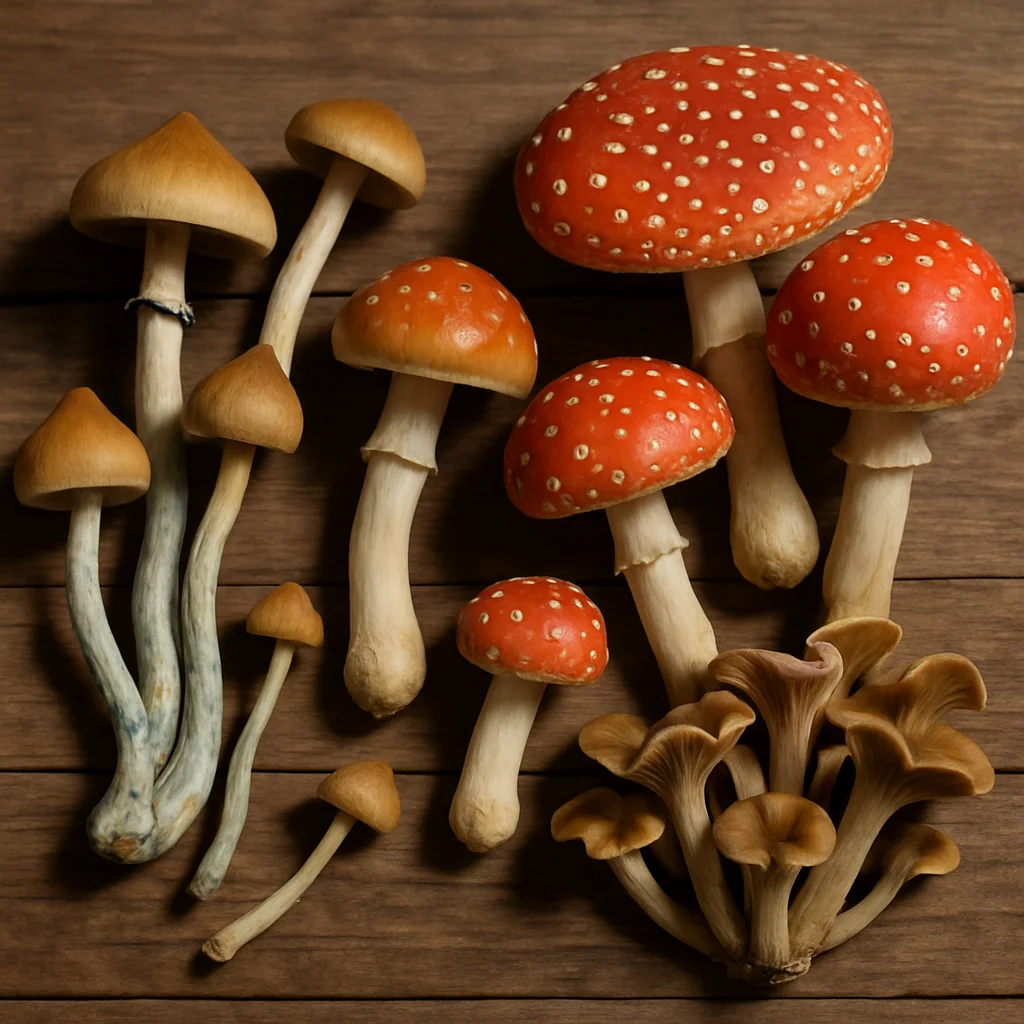
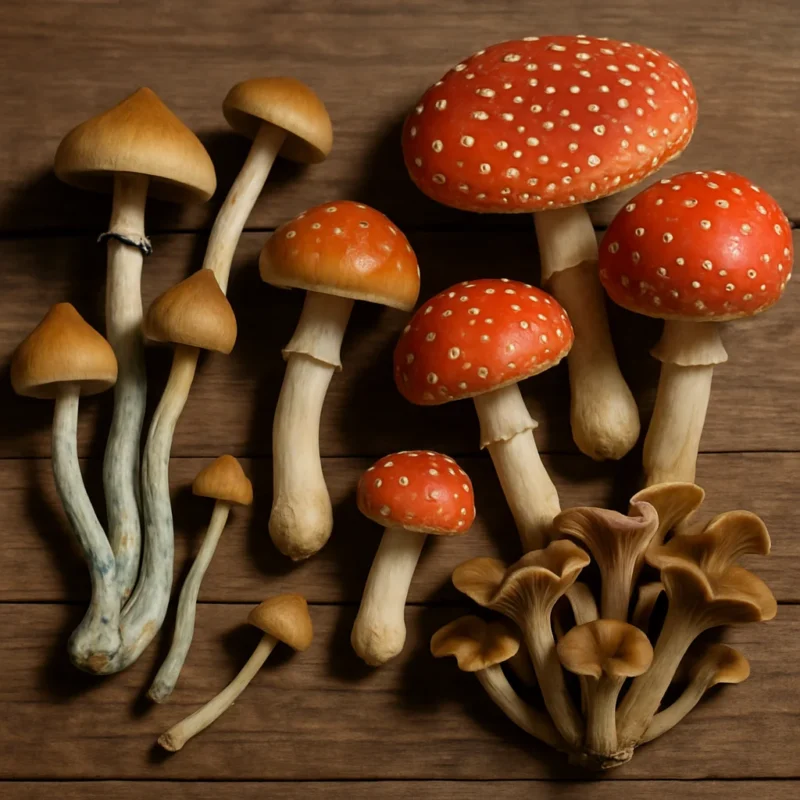
Non-psilocybin species — such as Amanita muscaria (fly agaric) — are different compounds and are often not regulated under narcotics laws but can still have unpredictable effects and their own risks.
Still, just because something isn’t banned doesn’t mean it’s safe. Always treat unknown substances with caution.
📌 Key Takeaways (2026 – Germany)
✔ Psilocybin & psilocybin mushrooms remain illegal for most purposes.
✔ Possession, distribution, cultivation, and importation are criminal offences.
✔ Consumption alone isn’t separated legally from possession.
✔ Medical research and limited therapeutic access happen under strict supervision — but not as open, general-use legal treatment.
✔ Microdosing or ordering products from abroad does not provide legal protection.